Professional Emergency Lighting Maintenance in Southminster
Supporting Safe, Compliant Emergency Systems Across Local Premises
Contact Us TodayEmergency Lighting Servicing for Southminster Buildings
Compliance-Focused Maintenance for Commercial, Rural, and Community Properties
Safe I.S. delivers structured emergency lighting maintenance tailored to the operational requirements of each premises. Through monthly function testing support, annual full-duration discharge testing, technical fault diagnosis and compliance reporting aligned with BS 5266, we help ensure emergency lighting systems remain dependable, compliant and fully prepared for emergency operation. Our servicing approach is designed to support long-term system performance while helping responsible persons maintain accurate records and ongoing compliance assurance.
In Southminster, where independent businesses around Station Road operate alongside community facilities near St Leonard’s Church and surrounding rural commercial sites, reliable emergency lighting is essential for maintaining safe evacuation during mains power failure. Buildings in more rural or dispersed settings often rely heavily on well-maintained systems due to longer emergency response times and reduced ambient lighting in the surrounding environment.
Enquire Now
Why Safe I.S. is Trusted for Emergency Lighting Maintenance in Southminster
Competent servicing focused on reliability, compliance assurance, and practical system performance.
Comprehensive System Testing
Every maintenance visit includes detailed inspection and testing of luminaires, battery units, charging circuits and test facilities to confirm operational readiness and identify deterioration before reliability is affected. This allows early confirmation that the system will perform correctly under emergency conditions, rather than relying on reactive fault discovery after an issue has already occurred.
Preventative Maintenance Support
Our servicing approach focuses on identifying developing issues early, helping reduce the likelihood of emergency lighting failures impacting escape route visibility during an evacuation. This proactive method supports long-term system stability by addressing minor degradation before it escalates into more disruptive or costly remedial works.
BS 5266 Compliance Guidance
All maintenance is carried out with BS 5266 requirements in mind, helping responsible persons maintain accurate documentation and demonstrate ongoing compliance with fire safety legislation. We also ensure testing records are kept in a format suitable for audit and inspection, supporting clear evidence of due diligence.
Servicing Adapted to Your Premises
We tailor our maintenance delivery to suit each environment, whether supporting retail premises near the village centre, agricultural or industrial units in surrounding areas, healthcare settings, or community buildings. This ensures the servicing approach reflects both building usage and the practical demands placed on the emergency lighting system.
Practical Fault Reporting
Where issues are identified during inspection or discharge testing, we provide clear technical findings and practical remedial recommendations to restore dependable system operation efficiently. This helps duty holders make informed decisions quickly, reducing downtime and avoiding uncertainty around compliance status.
Experience Across Rural and Commercial Sites
Our engineers are experienced in servicing a wide range of property types, including rural, commercial and community environments, adapting maintenance methods to suit varied operational demands. This breadth of experience allows us to work confidently across different building layouts, occupancy levels and usage patterns while maintaining consistent service quality.
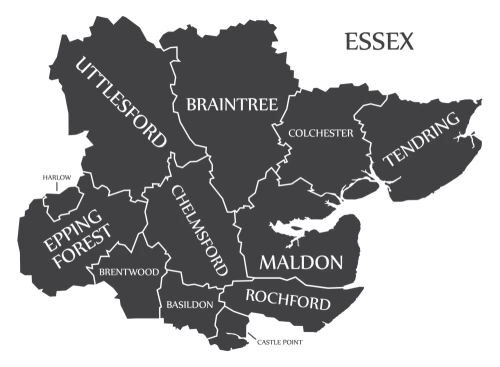
Emergency Lighting Support Across Southminster
Reliable Compliance Support for Commercial, Rural, and Community Buildings
Safe I.S. provides emergency lighting maintenance throughout Southminster and surrounding areas, including Burnham-on-Crouch, Tillingham and Bradwell-on-Sea.
Whether maintaining systems within retail premises, agricultural units, healthcare environments or community buildings, our servicing is designed to keep emergency lighting reliable and compliant. We can work with organisations of all sizes to deliver maintenance programmes that support long-term system performance and compliance assurance.
Our structured servicing approach helps ensure maintenance records remain accurate, faults are identified promptly and emergency lighting systems remain fully operational whenever emergency conditions arise. Regular testing also helps reduce the risk of unexpected system failures in more isolated locations where evacuation support may be more limited.
Enquire NowProudly Third Party Accredited
We are proud to be third party accredited in various fields.
Our varied range of accreditations shows our ability to meet legislation, regulations & guidelines whilst ensuring our work is always completed to the highest of standards.







Emergency Lighting Maintenance FAQs for Southminster
Helpful Information on Testing Requirements, Compliance Duties, and System Reliability
We’ve answered a range of commonly raised questions to help clarify emergency lighting servicing responsibilities and compliance expectations.
1. How often should emergency lighting systems be tested?
BS 5266 recommends monthly functional testing alongside annual full-duration discharge testing to verify battery performance and overall system reliability.
2. What if faults are identified during testing?
Where defects are found, we provide clear fault reporting and practical remedial recommendations to restore operational reliability.
3. Is emergency lighting maintenance legally required?
Where emergency lighting is required under fire risk assessment, responsible persons have a legal duty to maintain systems under the Regulatory Reform (Fire Safety) Order 2005.
4. How long does annual emergency lighting testing take?
Annual full-duration discharge testing requires systems to operate on battery power for three hours in line with BS 5266. Total time on site depends on system size and fitting numbers, with expected durations outlined during quotation.
5. What is included in emergency lighting maintenance?
Maintenance includes operational testing of fittings, battery performance checks, charger inspections, simulated mains failure testing and documented compliance reporting.
We're Here to Help
At SAFE I.S. exceptional customer service is our priority. Whether you have a question or need guidance, our friendly and professional team is ready to assist. Simply fill out the form below, and we’ll get back to you quickly with the support you need.
Some of Our Clients